- info@ritetimelogistic.c...
- +1(207)-203-5118
How Shipments Works in United States?
How Shipments Works in United States?
The shipment of goods within the United States is a complex and well-structured process that involves multiple steps, stakeholders, and regulations. Whether it’s business-to-business (B2B) or business-to-consumer (B2C) shipping, understanding how shipments work is essential for both logistics professionals and customers.
1. Order Processing and Fulfillment
- Order Placement: The shipping process begins when a customer places an order with a company. Orders are typically placed online, but they can also be made in person or over the phone.
- Inventory Check: Once an order is received, the company’s inventory system checks the availability of the product. Modern businesses rely on sophisticated inventory management systems (IMS) to ensure stock levels are accurate.
- Picking and Packing: After confirmation of stock, the warehouse team picks the ordered items from storage. Items are then packed securely, ready for shipping. Packaging must comply with shipping standards, especially if the product is fragile or hazardous.
- Shipping Labeling: A shipping label is generated, which contains essential information like the sender’s and receiver’s addresses, shipping method, and tracking number. This label ensures that the shipment reaches the correct destination.
2. Transportation Methods in the U.S.
There are four main modes of transporting goods across the U.S.: road, rail, air, and sea. Each method is suited to different types of goods and delivery timelines.
Ground Shipping (Trucking):
- The most common form of shipment for short to medium distances.
- Ideal for goods that do not require urgent delivery.
- Various types of trucks are used, including semi-trucks, box trucks, and vans.
- LTL (Less than Truckload): Suitable for smaller shipments that do not fill a whole truck.
- FTL (Full Truckload): Reserved for large shipments that occupy the entire truck.
Air Freight:
- Best for time-sensitive shipments such as perishable items, pharmaceuticals, and high-value electronics.
- Air shipping is more expensive but significantly reduces delivery time, especially for cross-country or international shipments.
- Airports such as Los Angeles International (LAX), Chicago O'Hare, and Memphis International serve as major hubs for air cargo in the U.S.
Rail Freight:
- Primarily used for bulk shipments such as coal, oil, metals, and large containers.
- Rail is an efficient and cost-effective method for long-distance ground transportation.
- Major freight railroads, like BNSF and Union Pacific, cover a large portion of the country.
Sea Freight:
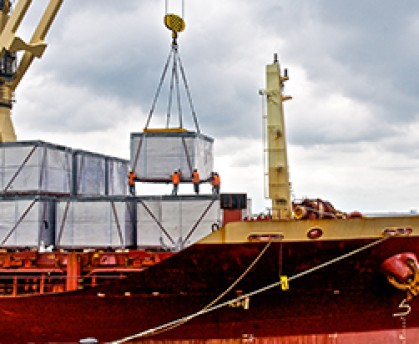
- Ideal for bulky, heavy shipments or goods being imported/exported internationally.
- Ports like Los Angeles, Long Beach, and New York-New Jersey handle a large share of U.S. maritime cargo.
- Often used in conjunction with intermodal shipping (a combination of sea, rail, and truck).
3. Shipping Carriers
- USPS (United States Postal Service): The USPS is a government-run service offering affordable shipping for smaller parcels, letters, and documents. It’s ideal for residential deliveries and operates across every U.S. state and territory.
- UPS (United Parcel Service): A private carrier specializing in domestic and international parcel delivery. UPS offers a range of services, from same-day to standard shipping.
- FedEx: Another major player in the U.S. shipping industry, FedEx provides services similar to UPS, with strong emphasis on air freight and express deliveries.
- DHL: While mainly known for international shipping, DHL also offers domestic services in the U.S., focusing on express and specialized deliveries.
4. Logistics Companies and Warehousing
Logistics companies play an essential role in the shipment process by managing warehousing, inventory, and transportation.
- Third-Party Logistics (3PL) Providers: Companies outsource their shipping and warehousing needs to 3PLs, which handle inventory management, order fulfillment, and transportation.
- Distribution Centers: Distribution centers strategically located across the U.S. ensure that shipments are dispatched quickly and efficiently. These centers often use automation to streamline the fulfillment process.
5. Regulations and Compliance
The U.S. logistics industry is heavily regulated to ensure the safety and security of goods in transit. Some key regulatory agencies include:
- Department of Transportation (DOT): Ensures that all modes of transport comply with safety regulations.
- Federal Motor Carrier Safety Administration (FMCSA): Oversees trucking companies and sets rules regarding driver hours, vehicle maintenance, and weight limits.
- Transportation Security Administration (TSA): Responsible for security in the transportation sector, particularly in air and rail shipping.
- Customs and Border Protection (CBP): For international shipments, CBP monitors and enforces import/export laws, including tariffs and restrictions on certain goods.
6. Last-Mile Delivery
- Final Leg of the Journey: The last mile is the stage where a shipment reaches the customer’s doorstep. This phase is often the most costly and time-consuming due to traffic congestion, urban delivery challenges, and the need for multiple stops.
- Courier Services: For the last-mile delivery, companies may use local couriers, gig-economy services (such as Uber or Lyft drivers), or even drones in some areas.
- Delivery Options: Customers can choose from various delivery options, including standard delivery (2-7 days), express shipping (1-2 days), and same-day delivery, depending on the urgency of the shipment.
7. Tracking and Visibility
- Tracking Numbers: Once a shipment is dispatched, a tracking number is generated, allowing the sender and receiver to monitor the package’s progress online.
- GPS and Real-Time Tracking: Many shipping companies use GPS technology to provide real-time tracking updates to customers, improving transparency and trust.
8. Handling Returns
- Reverse Logistics: In cases where customers need to return goods, the reverse logistics process kicks in. Companies often provide prepaid shipping labels to streamline the return process.
- Restocking and Refunds: Once returned, items are inspected, restocked, or sent for refurbishment. The customer is refunded according to the company’s return policy.